
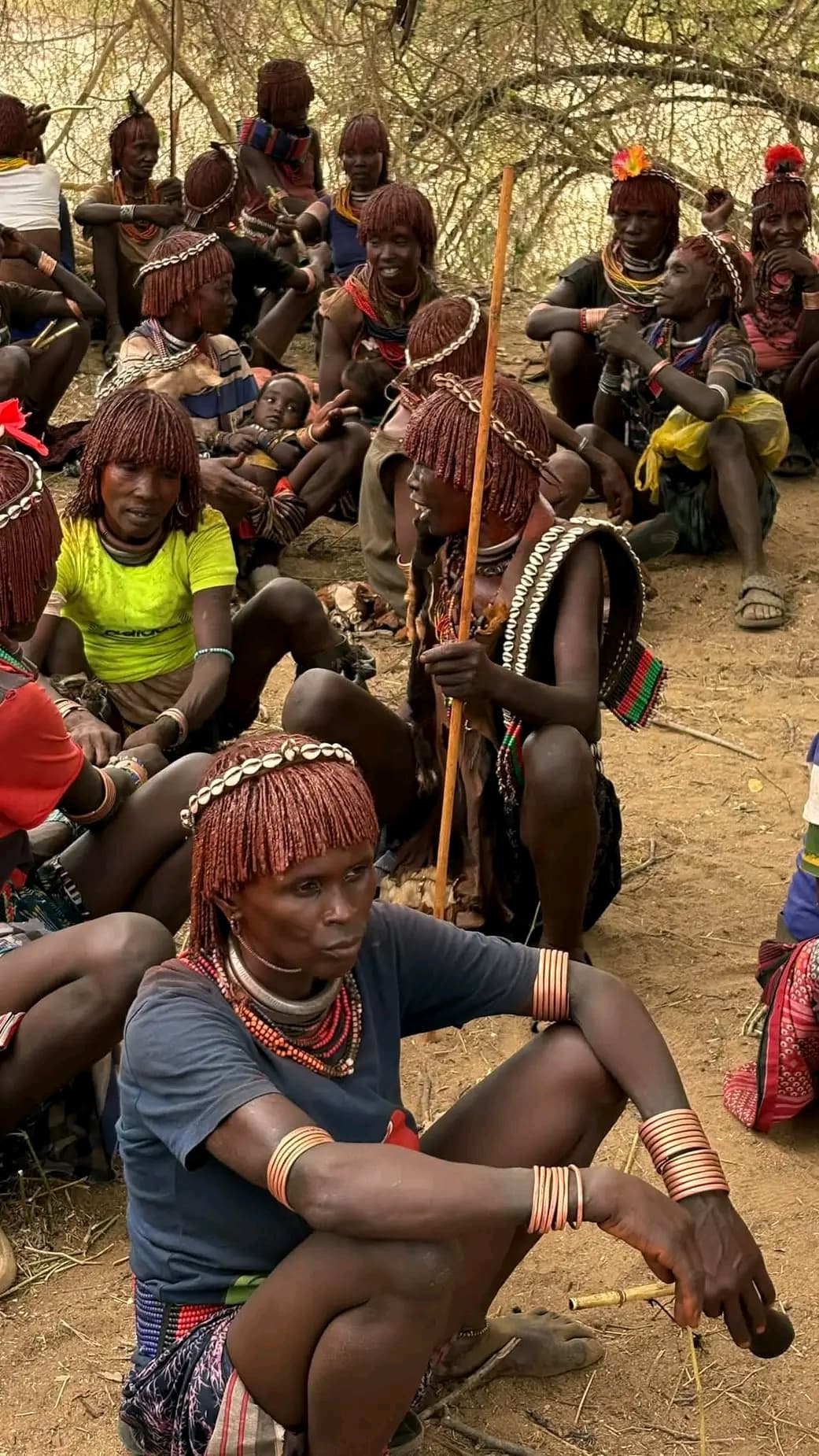
Discover Omo Valley weekly tribal markets, including Dimeka, Key Afer, Turmi, Jinka and Arbore. Find market days, tribes and travel tips.
Omo Valley Weekly Tribal Markets: Days, Tribes & Travel Tips
Visiting the traditional markets of the Omo Valley is one of the most fascinating experiences in southern Ethiopia. These weekly markets bring together different indigenous communities, creating lively gathering places where people trade agricultural products, livestock, handmade crafts, traditional clothing, jewelry, and everyday household goods.
For travelers exploring the Omo Valley, visiting a local market offers a wonderful opportunity to experience the region's cultural diversity and observe everyday life beyond the traditional villages.
From the colorful Hamar market in Dimeka to the famous Thursday market in Key Afer, each market has its own atmosphere and attracts people from surrounding communities.
However, market days are different depending on the location. Planning your journey around the weekly market schedule can make a significant difference to your Omo Valley experience.
In this guide, we explain the main weekly markets in the Omo Valley, their market days, the communities you may encounter, and practical tips for visiting them.
1. Why Are the Omo Valley Tribal Markets Worth Visiting?
The traditional markets of southern Ethiopia are much more than places to buy and sell products. They are important social and economic meeting points for local communities.
People travel from surrounding villages and remote areas to exchange goods, purchase essential supplies, meet friends, discuss community matters, and share information.
During market days, you may see people wearing traditional clothing, colorful bead necklaces, leather skirts, bracelets, and distinctive hairstyles.
Depending on the market, you can find:
- Traditional clothing and handmade decorations.
- Beaded necklaces and jewelry.
- Agricultural products such as grains and vegetables.
- Livestock trading, including cattle, goats, and sheep.
- Locally produced honey and other traditional products.
- Household goods and everyday necessities.
For international visitors, these markets offer an opportunity to observe the everyday cultural life of the region in a natural setting.
2. Omo Valley Weekly Market Days: Complete Schedule
If you are planning an Omo Valley tour, the following market schedule will help you organize your itinerary.
Main Weekly Market Schedule
Day| Market location| Communities commonly represented
Monday| Turmi| Hamar and neighboring communities
Tuesday| Dimeka| Hamar, Banna and neighboring communities
Thursday| Key Afer| Banna, Ari, Tsemay and neighboring communities
Thursday| Turmi| Hamar and surrounding communities
Saturday| Dimeka| Hamar, Banna and neighboring communities
Saturday| Jinka| Ari and other surrounding communities
Saturday| Arbore| Arbore and neighboring communities
Other smaller and more localized markets take place in different parts of South Omo, including areas around Omorate and Hana.
Important: Market schedules and the size of individual markets can change. Some markets have a larger main trading day and a smaller secondary market day. Always confirm the schedule with a knowledgeable local guide before finalizing your itinerary.
3. The Most Famous Tribal Markets in the Omo Valley
Dimeka Market: Tuesday and Saturday
Dimeka is one of the most popular traditional markets in South Omo. Located between Jinka and Turmi, it is an important gathering place for the Hamar and Banna communities.
The market is particularly interesting for its traditional clothing, colorful decorations, agricultural products, livestock trading, and everyday interactions.
Visitors may encounter Hamar women wearing beautifully decorated leather skirts, colorful beads, metal bracelets, and distinctive hairstyles.
The Saturday market is particularly well known, while Tuesday also attracts traders and visitors from surrounding communities.
Why visit Dimeka?
- Experience the traditional Hamar and Banna market atmosphere.
- See traditional clothing and handmade decorations.
- Observe local agricultural and livestock trading.
- Photograph market activities with permission.
- Interact respectfully with local people.
Dimeka is an excellent stop for travelers exploring the cultural heart of the Omo Valley.
Key Afer Market: Thursday
Key Afer is another important traditional market located between Jinka and Turmi.
It is particularly associated with the Banna community, although people from neighboring communities also come to trade and socialize.
The Thursday market is known for its colorful atmosphere and variety of traditional products.
You may encounter Banna, Ari, Tsemay, and Hamar people, depending on the week and local trading activity.
Visitors can explore different market sections, observe agricultural trading, discover traditional decorations, and experience the daily life of the surrounding communities.
Why visit Key Afer?
- Experience one of South Omo's important traditional markets.
- Meet people from different neighboring communities.
- Discover traditional clothing, jewelry, and agricultural products.
- Observe local trading and social interactions.
Key Afer is particularly convenient for travelers starting their journey in Jinka.
Turmi Market: Monday and Thursday
Turmi is one of the main cultural centers of the Hamar community and an important base for exploring the southern Omo Valley.
The traditional market attracts local traders, farmers, pastoralists, and visitors from nearby settlements.
The market offers opportunities to see traditional Hamar clothing, beadwork, household goods, agricultural products, and everyday trading activities.
Monday is the main commonly recognized market day, with Thursday also reported as a smaller market day.
Turmi is also a convenient starting point for visiting Hamar villages, exploring the Omo River region, and traveling toward Omorate and the Karo communities.
Jinka Market: Saturday
Jinka is the administrative center of South Omo and an important gateway to the region's cultural destinations.
The Saturday market attracts people from surrounding communities, particularly the Ari and other nearby populations.
Unlike some of the smaller markets in the region, Jinka offers a broader range of everyday products, agricultural goods, household items, and traditional crafts.
It is a good opportunity to observe local trading and experience the atmosphere of one of South Omo's main towns.
Arbore Market: Saturday
The Arbore community lives in the southern part of the Omo Valley, around the Weyto River area.
Their traditional market provides an opportunity to discover local products, handmade jewelry, agricultural goods, and aspects of everyday Arbore life.
The Arbore people are known for their distinctive traditional clothing, bead decorations, and cultural traditions.
A visit to this area can be combined with an exploration of the southern Omo Valley, particularly when traveling between Turmi and other destinations.
4. Which Tribes Can You Meet at the Omo Valley Markets?
One of the most interesting aspects of visiting these markets is the opportunity to encounter different communities in the same location.
Depending on the market and the day, you may meet:
Hamar: Known for their traditional hairstyles, colorful beadwork, leather clothing, and cattle-based culture.
Banna: A pastoral and agricultural community living in different parts of South Omo, particularly around Key Afer and surrounding areas.
Ari: One of the larger communities in the region, with a strong agricultural tradition and settlements around Jinka.
Tsemay: A community living in the southern parts of South Omo, particularly around the Weyto and Bena-Tsemay areas.
Arbore: Known for their distinctive clothing, jewelry, and traditional lifestyle.
Karo: A smaller community living along the Omo River, particularly around Korcho and other settlements.
Mursi: Known internationally for traditional lip plates worn by some women, distinctive body decorations, and pastoral traditions.
Not every community attends every market. Their presence depends on distance, local trading activities, and the particular market day.
5. How to Plan Your Omo Valley Tour Around Market Days
One of the best ways to experience the traditional markets is to organize your itinerary according to the weekly schedule.
Instead of visiting markets randomly, you can plan your journey to include two or more important markets during your stay.
Here is an example of how a six-day Omo Valley tour could be organized around market days.
Example: Six-Day Omo Valley Cultural Tour
Day 1: Arrival in Jinka
Arrive in Jinka, meet your local guide, and explore the town and surrounding areas depending on your arrival time.
Day 2: Jinka – Mursi Community – Key Afer – Turmi
Visit the Mursi community in the morning and continue toward Turmi, exploring the surrounding region along the way.
If your dates allow, organize your journey to include the Thursday Key Afer market.
Day 3: Turmi – Hamar Community – Dimeka Market
Visit a traditional Hamar village and explore the Dimeka market if it is Tuesday or Saturday.
Learn about Hamar traditions, clothing, and cultural practices.
Day 4: Turmi – Omorate – Dassanech Community
Travel to Omorate and visit the Dassanech community near the Omo River. Experience the local environment and traditional lifestyle.
Day 5: Turmi – Karo Community – Korcho Village
Explore the Karo community along the Omo River and visit Korcho Village, famous for its spectacular landscape and traditional body decorations.
Day 6: Turmi – Jinka or Arba Minch
Return toward Jinka or continue to Arba Minch, depending on your travel arrangements.
The exact itinerary should be adjusted according to your arrival date and the market schedule.
6. Best Time of Day to Visit the Tribal Markets
Most traditional markets become active during the morning and continue into the afternoon.
For visitors, arriving around mid-morning is often a good choice because more traders and community members have arrived.
Here are some useful suggestions:
- Arrive around 9:00–10:00 AM when possible.
- Allow at least two hours to explore the market.
- Take time to observe the different trading activities.
- Ask your guide about the most interesting market sections.
- Avoid rushing from one market to another.
Remember that market activity depends on the season, weather, and the distance people need to travel.
7. Photography Tips for Visiting Omo Valley Markets
The markets of the Omo Valley are excellent places for travel photography, but it is important to approach photography respectfully.
People attend these markets for their daily activities, not simply to be photographed by visitors.
Before taking someone's photograph, ask permission and agree on any photography fee beforehand.
Some useful photography tips include:
- Carry a camera with a fully charged battery.
- Bring extra memory cards.
- Use natural light when possible.
- Ask permission before photographing individuals.
- Respect anyone who declines photography.
- Avoid blocking trading activities.
- Be patient and allow natural moments to happen.
A local guide can help explain photography customs and communicate with community members.
8. Practical Travel Tips for Visiting the Omo Valley Markets
Before visiting the traditional markets, keep these recommendations in mind.
Travel with a knowledgeable local guide: A local guide can help you understand the different communities, communicate with traders, and organize your market visits.
Carry Ethiopian birr: Small amounts of local currency are useful for purchasing traditional products and other items.
Wear comfortable clothing: Markets can be dusty, hot, and crowded, particularly during the dry season.
Bring sun protection: A hat, sunglasses, and sunscreen are useful.
Respect local traditions: Always ask before taking photographs and respect people's privacy.
Be flexible: Weather, road conditions, and local activities can influence your itinerary.
Support local communities: Buying handmade products directly from local sellers is a good way to support traditional crafts and local livelihoods.
9. Are the Omo Valley Markets Open Every Day?
No. The main traditional markets operate on particular days of the week.
For example, Dimeka is commonly visited on Tuesdays and Saturdays, Key Afer on Thursdays, and Turmi on Mondays.
Although the main weekly markets have designated days, some smaller daily trading activities also take place in towns such as Jinka and Turmi.
If you want to experience the largest and most active traditional markets, it is best to plan your travel dates around their main weekly market days.
10. Experience the Omo Valley Markets with a Local Guide
Exploring the Omo Valley markets is one of the most memorable experiences of traveling through southern Ethiopia.
However, the best experience comes from understanding the people, their traditions, and the importance of these markets in everyday community life.
Omo Valley Tour Ethiopia organizes private and customized cultural tours designed around the region's traditional market days, village visits, and cultural attractions.
Founded by Solomon Kidane, a local guide born and raised in Jinka, our company has more than 15 years of experience guiding travelers throughout the Omo Valley and other parts of Ethiopia.
We can help you organize your journey around the Dimeka, Key Afer, Turmi, Jinka, and Arbore markets, depending on your travel dates.
Whether you are interested in cultural experiences, photography, traditional markets, or visiting different indigenous communities, we can prepare an itinerary that matches your interests and available time.
Our tours can start in Jinka and finish in Arba Minch, or return to Jinka.
Plan Your Omo Valley Market Tour Today!
Contact Omo Valley Tour Ethiopia for a customized itinerary and quotation.
Website: https://omovalleytourethiopia.com/
WhatsApp: +251 924 630 484
Email: solojinka@gmail.com
Discover the colorful traditional markets of southern Ethiopia with local knowledge and authentic cultural experiences.
Share:


Discussion0